
What can a fictional show teach real-world event organisers and retailers?
If you’ve been listening to BBC Radio 4’s The Archers recently, you’ll have heard about the challenges facing the fictional Borchester Show.
One storyline centred on a problem that will be painfully familiar to many event organisers: poor connectivity.
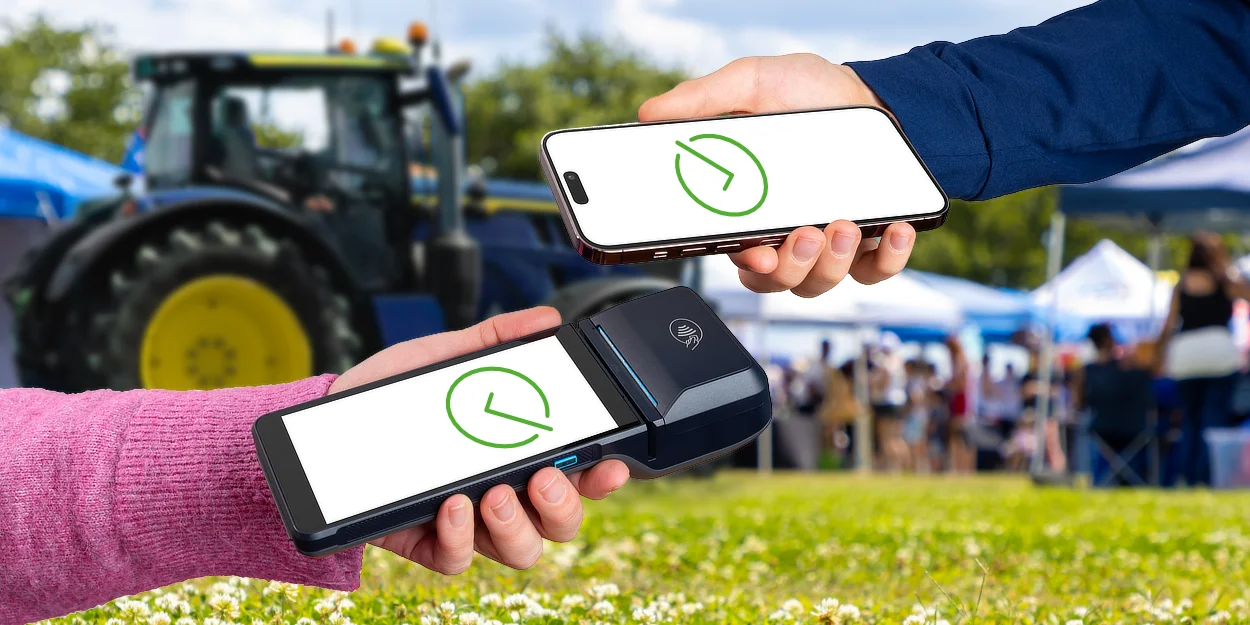
Visitors struggled to make purchases, vendors experienced payment issues. Transactions were delayed or abandoned altogether. In a world where most people no longer carry cash, a weak signal quickly became a commercial problem.
Of course, Borchester Show isn’t real, but the challenge certainly is.
Whether it’s a county show, music festival, sporting event, food market or an international regatta, today’s visitors expect to be able to pay instantly. They tap a card, use Apple Pay, scan a QR code or pay for parking through an app. Connectivity is no longer a convenience. It’s an essential service.
When it fails, the consequences extend far beyond frustration.
Every failed transaction represents potential lost revenue. Every queue at a payment terminal impacts visitor experience. Every exhibitor who can’t process sales questions whether they’ll return next year.
Yet many temporary events continue to treat connectivity as a secondary consideration. In reality, connectivity has become as important as power, water and security.
Take Henley Royal Regatta as an example.
For one week each year, the banks of the Thames become home to one of the world’s most prestigious sporting events. Tens of thousands of visitors attend, retailers process thousands of transactions and operations run continuously from the moment the gates open.
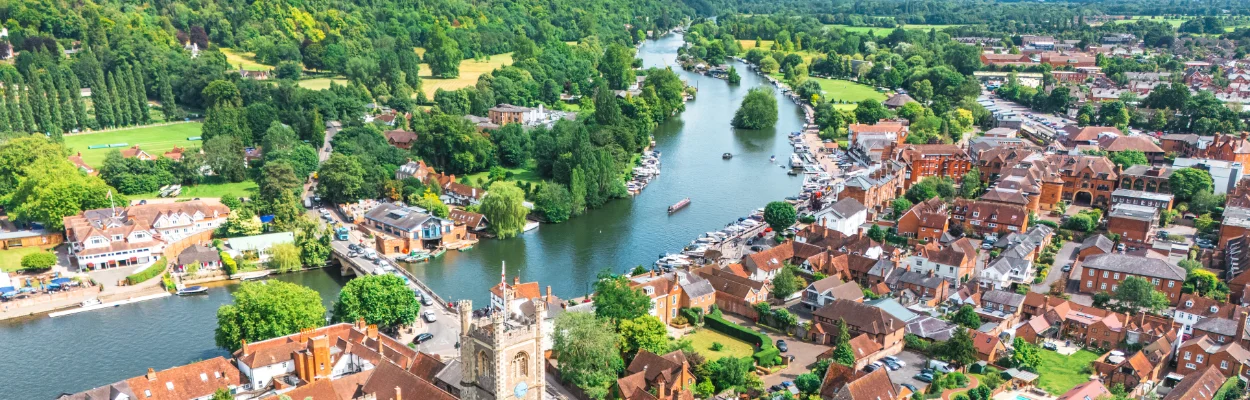
Several years ago, Henley Royal Regatta was preparing to launch a new till system.
Initially, the solution relied on connectivity from a single mobile network, but the retail team recognised the potential risk and asked V12 to provide a solution.
A temporary event attended by thousands of people creates unique connectivity challenges. Network congestion, local coverage variations and unexpected outages can all affect performance. Relying on a single network introduces a single point of failure.
Instead, Henley adopted a more resilient approach using V12’s Multi-network Data SIMs, allowing devices to connect to the strongest available network rather than being tied to a single provider. The result was greater reliability across the site and increased confidence that tills, payment devices and operational systems would remain connected throughout the event.
The lesson extends well beyond Henley.
Today’s event organisers invest significant time and money planning every aspect of visitor experience. Parking, catering, security, entertainment and logistics are all meticulously managed.
Connectivity deserves the same attention.
Why? Because, when visitors can’t pay for parking, buy refreshments, purchase merchandise or complete a transaction with an exhibitor, the impact is immediate and measurable.
The irony is that the best connectivity is rarely noticed. Visitors don’t comment when a payment goes through instantly. Exhibitors don’t celebrate when a till remains connected all day. Organisers don’t receive compliments because their infrastructure worked exactly as intended.
But everyone notices when it doesn’t.
The Archers may have been telling a fictional story, yet it highlighted a very real challenge facing every organiser of temporary events today. In an increasingly cashless world, no signal increasingly means no sale. And that’s a risk no event can afford to ignore.